
The final trail in the North Fruita Desert Trails Master Plan was completed this fall, marking a significant milestone for mountain bikers, hikers, and outdoor enthusiasts who frequent the public lands north of Fruita. According to the Bureau of Land Management (BLM), the North Fruita Desert received about 107,000 annual visitors by 2024, highlighting the rapidly growing popularity of the recreation hub among local residents, commuters, and travelers on the Western Slope.
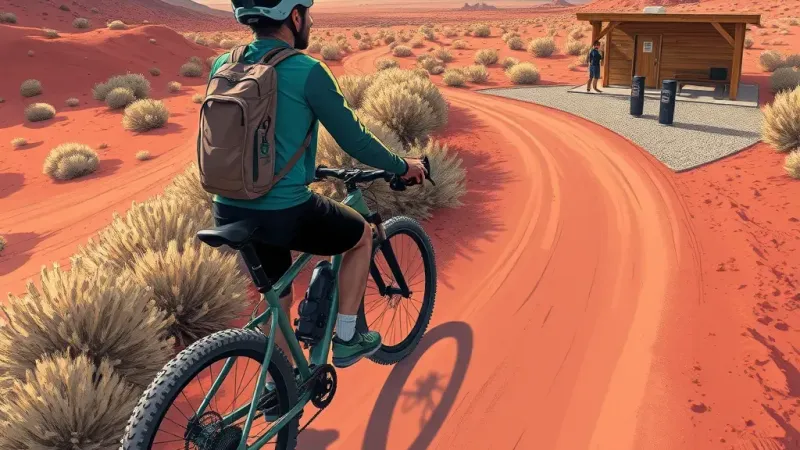
As part of the master plan's conclusion, the newly finished K2-Play trail winds about three miles along the base of the striking Book Cliffs. To celebrate the trail's completion and pitch in on maintenance, COPMOBA hosted a ribbon cutting and trail workday on October 10. Notably, Brian Kittelson spoke at the ribbon-cutting event for the trail, which is named after his late wife, Kristina.
The recent enhancements to the North Fruita Desert go far beyond singletrack construction. To address the heavy visitor traffic, the BLM built a 3.5-acre gravel parking area and established 68 campsites to better accommodate the outdoor crowd. Furthermore, Phase 4 of the lower campground will add about 25 reservable fee sites, giving campers more options when staying overnight in the desert landscape.
Getting to the area has also seen substantial infrastructure investments over the years. Mesa County obtained a Federal Lands Access Program grant in 2016 to pave approximately seven miles of road, significantly improving driving conditions and vehicle access for everyone commuting to the trailheads.
Community members and local advocates have welcomed the wave of improvements. Faith Rodriguez praised the upgrades for making the region feel like a destination.
The massive coordination required to build and maintain the area's infrastructure was a central theme during the recent celebrations. Speaking on the effort behind the scenes, Chris Pipkin stated in a primary document, "Trails don’t just appear on their own. There’s a lot of work that goes into it".
Emphasizing the ongoing stewardship required to protect public lands for future users, John Howe added in a primary document, "We need everyone, from individual trail users to local agencies and government, to contribute to taking care of our trails".
These completed projects, from paved access roads to expanded campsites and the final master plan trail, underscore a cooperative effort between Mesa County, federal land managers, and local volunteers. As the North Fruita Desert continues to draw tens of thousands of visitors annually, these investments ensure the infrastructure matches heavy local and regional demand for premier outdoor recreation.