
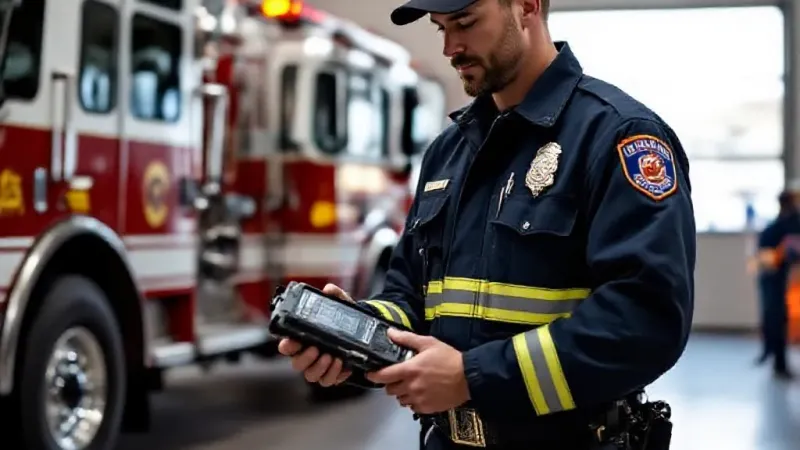
The Grand Junction Fire Department is drawing attention to the dangers of lithium-ion batteries this week, reminding residents that safe handling can prevent fires and explosions in homes across the Grand Valley. As part of National Fire Prevention Week, which runs from October 4 to 10, local firefighters are focusing on a hazard found in many everyday items, from phones and laptops to electric scooters.
Dirk Clingman, public information officer for the Grand Junction Fire Department, emphasized that preventing fires begins with knowing how to use these powerful batteries safely. “We much prefer that fires don’t occur,” Clingman stated, noting that an annual focus on prevention is "incredibly helpful."
Clingman identified misuse as one of the most significant problems leading to battery-related incidents. This misuse often stems from overcharging devices, purchasing products not built with safety in mind, or continuing to use products once their batteries have become damaged. These situations can escalate quickly, potentially leading to a fire or even an explosion.
Residents should be vigilant for signs that a battery might no longer be safe. Clingman advises looking for visible damage such as swelling or discoloration. These indicators can signal what fire officials call "thermal runaway," a condition where lithium-ion battery cells malfunction, overheat, and release gas, heat, and fire explosively.
To minimize risks, Clingman recommends several precautions. Always use the charging cable that originally came with the device. When charging, place batteries on a hard, flat surface and ensure they are well away from anything that could easily catch fire. He specifically warned against common practices like charging phones under a pillow at night, calling it "pretty much the worst case scenario."
Overcharging is another critical concern. Clingman cautioned against leaving devices plugged in indefinitely, using the example of power tool batteries that are often kept on chargers non-stop. He described this practice as "not a good policy" for battery longevity and safety.
In the event a lithium-ion battery shows signs of distress—such as swelling, smoking, or catching fire—Clingman's advice is clear: get outside immediately and call 911. These fires can reach extremely high temperatures and are notably difficult for firefighters to extinguish.
Beyond safe usage, proper disposal is also crucial. Fire officials advise against throwing lithium-ion batteries into regular household trash. Instead, they should be taken to a reputable battery recycling facility or a designated hazardous materials drop-off site within Mesa County. Taking these relatively simple precautions while charging and storing devices can play a significant role in preventing a battery issue from escalating into a serious house fire for local residents.