Grand Junction residents can anticipate a major shift in how they handle recyclables by the end of the year, with a new, highly automated material recovery facility in Clifton set to open by late December. Located in a repurposed warehouse at 365 32 Road, the facility is poised to make Grand Junction a central hub for recycling across the Western Slope and streamline local waste disposal for residents.
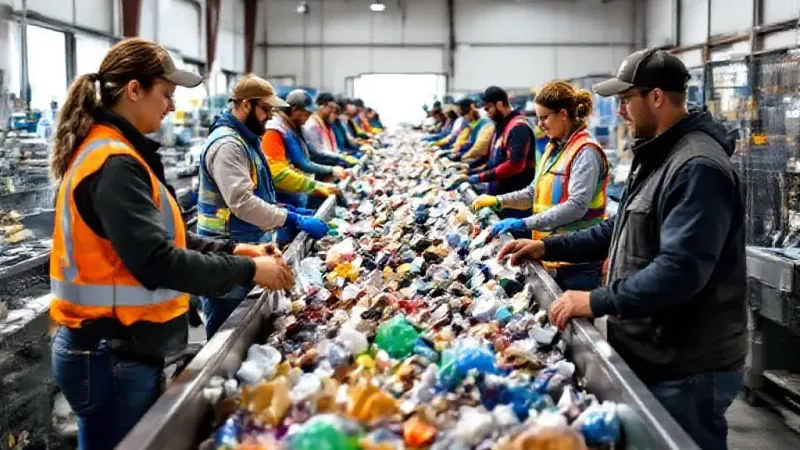
The new center boasts an automated plastic sorting system that will be the first of its kind in the United States. This innovative technology, which has seen successful implementation in a Canadian plant, employs a machine-learning program to distinguish between various types of plastic using visual indicators, heat sensors, and compressed air. Called an “autonomous belt system,” the program improves its efficiency over time. This state-of-the-art automation will perform most of the material sorting after it enters the facility in a disorganized, single stream, radically improving the city's recycling system efficiency.
Grand Junction General Services Director Jerod Timothy stated that the facility's advanced technology would make it a regional solution for recycling. On Wednesday, Sept. 23, 2026, Director Timothy led a tour of the facility for elected officials, including City Council members Scott Beilfuss and Cody Kennedy, along with city staff. Timothy emphasized the facility's importance, calling it a “critical piece of infrastructure in western Colorado.” He noted that the exponentially higher capacity would provide opportunities to rural communities that might otherwise lack the ability or affordability to offer recycling services.
The new facility's capacity represents a significant upgrade from the city's current operations. Grand Junction's existing facility can process approximately 1,500 tons of material per year. In contrast, the new building, with its robust automation, will be able to process that same amount in roughly two weeks, operating at a rate of 12 tons per hour. This vastly increased capability will facilitate a city-wide transition to single-stream curbside recycling, eliminating the need for residents to sort their cardboard, paper, glass, and metal. Director Timothy noted that the city is already serving about 50% of its customers with single-stream collection and plans to roll out the service city-wide at the beginning of the new year, delivering recycling cans as quickly as possible, as the city has acquired the necessary trucks and staff.
Much of the $29 million project, which covered renovations to the former warehouse and equipment installation, is funded through Extended Producer Responsibility (EPR) laws. These laws involve taxes paid by manufacturers of recyclable materials, such as Amazon boxes and plastic water bottles, which are then distributed as grants and reimbursements to local governments like Grand Junction to build recycling infrastructure. The EPR funds also ensure that single-stream residential recycling services can be offered free of charge to any Colorado resident whose hometown sends material to Grand Junction's facility once it opens.
Director Timothy confirmed that the facility expects to receive material from Montrose and the town of Ouray at the beginning of the year. Grand Junction has partnered with Bruin Waste Management for the recycling center. Bruin Waste Management will receive its cut of EPR reimbursements and will also provide the 12 quality-control employees needed to operate the city-owned facility. Over time, Director Timothy projects that the plant will pay for itself through a combination of EPR reimbursements and fees paid by commercial haulers to drop off material.
This new facility marks a significant investment in Grand Junction's environmental infrastructure, promising a more efficient and accessible recycling system for local residents and the broader Western Slope region.