
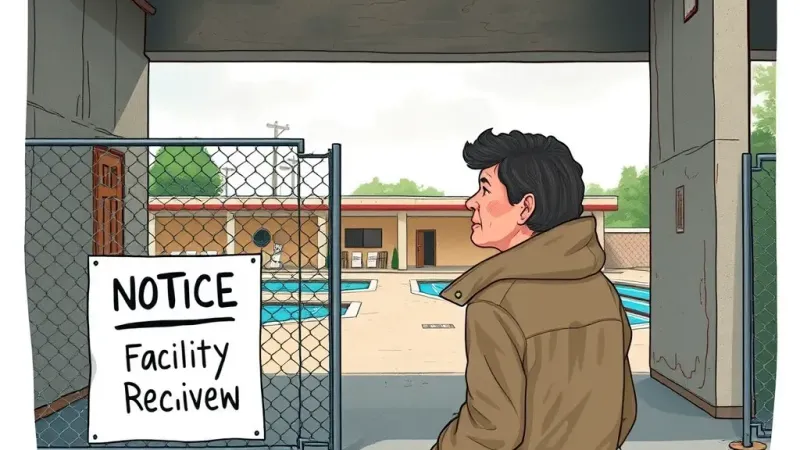
As Kool 107.9 reported, the Orchard Mesa Pool is facing a potential closure that could happen as early as December 31, 2026. The facility has been operating for forty-three years, but it now confronts a very uncertain future following recent financial developments and a decisive vote by the public regarding local tax rates and governmental support.
The foundation of the facility dates back to a partnership that started in 1983 as a three-way arrangement involving local governmental bodies. For decades, this multi-party cooperation helped sustain the pool for local families, swimmers, and residents. However, the dynamics of that foundational arrangement changed significantly when Mesa County withdrew from the arrangement in 2024, leaving the remaining partners to independently navigate the facility's complex operational and financial needs.
Under the current structural setup, District 51 owns the pool, while the city operates the facility for the public. The withdrawal of Mesa County placed additional strains on this operational framework, prompting local leaders to look toward voters for a financial solution through the ballot box.
During the election, voters considered Issue 2B, a measure that proposed a tax increase from 3.39 percent to 3.46 percent. Advocates sought to secure the necessary public revenue to maintain services, but the ballot initiative ultimately failed to pass. The final election vote resulted in 13,069 in favor and 16,327 against the proposal. Because of the heavy opposition at the polls, voters defeated Issue 2B by over three thousand votes.
Despite the failure of the proposed tax increase and the earlier withdrawal of Mesa County from the 1983 partnership, operations at the facility have been extended through 2026. This temporary extension provides a brief window for the city, District 51, and community stakeholders, but it also highlights the impending deadline. Without a new funding source or structural changes to replace the lost support, the pool faces a potential closing date as early as December 31, 2026. As the calendar moves forward, residents and local agencies must address the consequences facing the forty-three-year-old community asset.