Local residents' access to natural spaces and wilderness areas is critical for mental and physical well-being, according to observations from a family physician. The physician notes encountering patients suffering from what is known as "nature deficit disorder," a term coined in 2005.
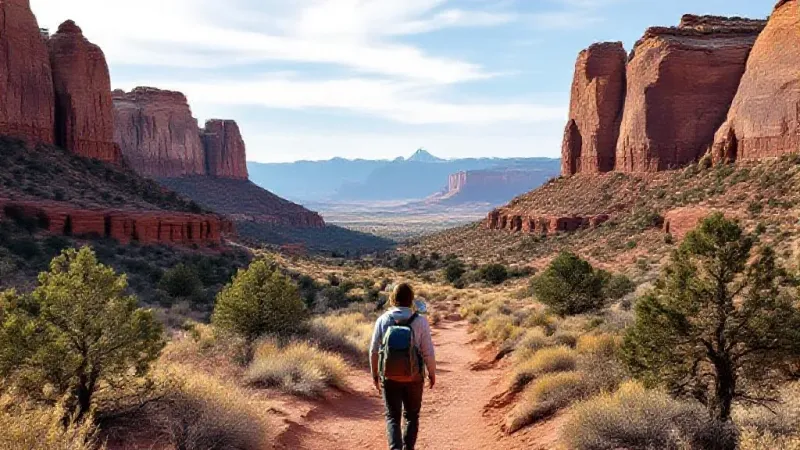
This condition describes the symptoms that occur when individuals are alienated from nature and no longer enjoy the health benefits of spending time outdoors. These benefits include encouragement to exercise through activities like hiking and biking, opportunities to breathe fresh air, and moments for relaxation and peaceful enjoyment of surroundings. When access to wilderness diminishes, these health advantages also decrease.
Nature deficit disorder can lead to reduced physical activity, contributing to diseases such as diabetes, hypertension, and heart disease. Mental health conditions, including depression and anxiety, are also associated with this disconnect from nature.
Recently, several significant threats to public lands have emerged, potentially impacting the ability of Grand Junction area residents to access these crucial natural spaces. The "Roadless Rule," a long-standing federal regulation that protects tens of millions of acres of national forests across the country, is currently at risk of being repealed. Such a change could affect the protection of wilderness areas within national forests, which are vital for outdoor recreation and public access in Western Colorado.
Beyond national forests, national parks are also facing challenges. At least 20% of the country's national parks are significantly understaffed. Furthermore, recent reports from the U.S. National Parks Service show that $323 million has been routed away from major parks, including Yellowstone, Yosemite, and the Grand Canyon, into other projects described as non-essential. There are also reported plans to sell a portion of Yosemite to a private developer, which would grant investors access to prime real estate within a national park.
Protecting these treasured natural sites is presented as a valuable opportunity, with each piece of preserved wilderness translating into better health for current residents and future generations. Local community members who wish to advocate for these protections are encouraged to contact their members of Congress. Specific actions include asking them to protect the "Roadless Rule," limit the misappropriation of funds intended to maintain federal lands, and prevent the sale or trade of lands included in public reserves. Additionally, voting is highlighted as an important way to ensure these lands remain safeguarded.