Grand Junction’s Lilac Park has become the testing ground for a new city effort to reduce water consumption on public lands. This summer, the turf grass in Lilac Park went unmowed as the initial step in a multi-year project to replace water-intensive plants with species more suited to the region.
City officials chose Lilac Park for this ambitious water conservation effort because of its limited use. Located with few local amenities and a parking lot shared with a car dealership, the park is not widely known. According to officials, the city-owned property is rarely used, save for occasional lunch breaks by nearby employees and seasonal sledding races in years with sufficient snow. This low usage made it an ideal location to pilot changes without significant community disruption.
The conversion of the park's landscape is expected to span about five years. The project is supported by a $42,377 grant from the Colorado Water Conservation Board, supplemented by an equal amount of matching funds from the City of Grand Junction.
City Parks Operations Superintendent Randy Coleman reported that the changes implemented this year have already reduced the park's water intake by approximately 30%. The initial phase involved simply leaving the existing bluegrass uncut over the summer. Coleman explained that this practice helped the soil stay cooler and retain more moisture, even amid a record-setting drought. In some areas, the grass now stands about a foot tall, and patches have been killed off, clearing the way for new plantings.
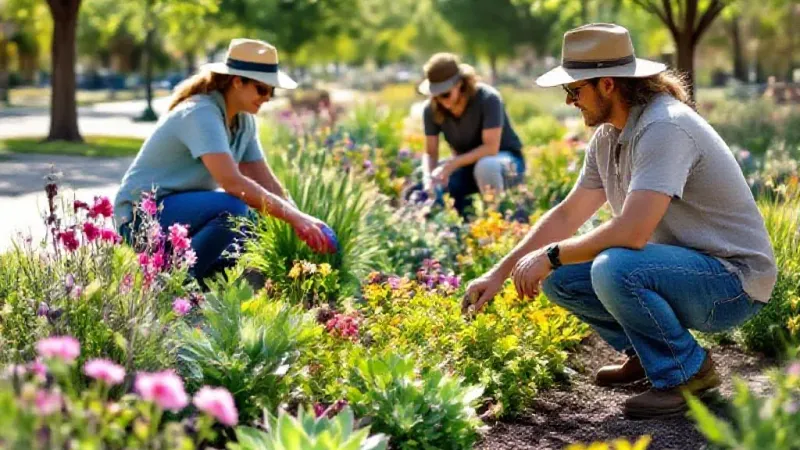
The plan is to gradually replace the existing vegetation with shrubs, flowers, and different grass species that require less water and don't need weekly mowing. Coleman emphasized that the transition needs to be slow to protect the park's established trees, which have long relied on the water provided to the turf grass. He noted that the five-year grant period aligns with the typical timeframe required for successfully transitioning landscapes to more native, water-efficient plants.
“Bluegrass consumes a lot of water, so we’re trying to reduce water by changing what’s growing,” Coleman said, detailing the rationale behind the initiative. The city will continue to experiment with various species to determine which are most successful, slowly converting more of the park based on these observations. Coleman anticipates that the land will require less water each year as the conversion progresses.
Future water savings could be even greater with more favorable winter conditions. Coleman pointed out that in 2026, the city had to activate irrigation systems in March to protect the tree canopy due to drought. He expects that a normal winter with adequate moisture would allow for later irrigation activation, leading to a much higher percentage of savings than the current 30%.
The success of the Lilac Park initiative could serve as a model for other city properties. Coleman indicated that future conservation efforts on other public lands would likely draw from the lessons learned and successful changes implemented at Lilac Park.
One potential side effect of the long, untrimmed grass is its impact on winter activities. Coleman acknowledged that the untrimmed grass on the park's hill could make sledding more challenging in the coming winters. While recognizing that the community is accustomed to sledding there, Coleman also noted the valley has not received measurable snow in the last couple of years. He stated the city plans to ease into the changes, avoiding a uniform conversion across the entire park and relying on trial and error to see what works best for different areas.