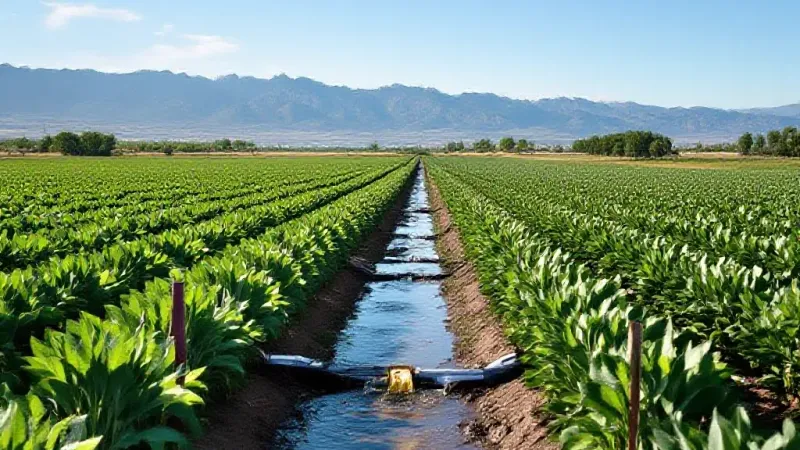
Colorado water officials announced Wednesday their readiness to launch a new state-run conservation program designed to help address system-wide water shortages in the Colorado River Basin. The Colorado Water Conservation Board (CWCB), the state’s primary water agency, voted 9-0 to conditionally approve a "near-term contribution program." This program aims to fulfill voluntary conservation requests from federal officials, as the seven states reliant on the Colorado River have yet to reach a long-term water-sharing agreement amid shrinking supplies.
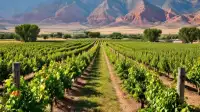
The program targets a reduction of 50,000 acre-feet of water use during the 2027 "water year," which begins October 1. Funded by the U.S. Bureau of Reclamation, it would compensate participants for projects such as fallowing land, implementing deficit irrigation, or switching crops. These projects would require approval from both the CWCB and the federal government before next year’s spring runoff. Amy Ostdiek, chief of the CWCB’s Interstate, Federal, and Water Information Section, confirmed the program is voluntary, compensated by federal funds, and temporary, with no plans for permanent reductions in the state's water use.
The approval comes as the Colorado River Basin faces a historically dry period. Cumulative streamflow at Cameo, located just upstream of Palisade and Grand Junction, has never been lower than in water year 2026 since record-keeping began nearly a century ago. Downstream, Lakes Powell and Mead have reached record lows, leading the Bureau of Reclamation to implement significant water allotment cuts for the Lower Basin states of California, Nevada, and Arizona. CWCB member Taylor Hawes stated during the board's monthly meeting at Copper Mountain ski resort that the program is a necessity driven by climate change-fueled drought.
However, the program faces skepticism and criticism from Western Slope agricultural communities, where farming accounts for approximately 90% of Colorado's water use. Troy Waters, a fifth-generation farmer in Fruita, expressed his concern to the board, suggesting there are superior ways to utilize the funding than what he described as "putting farmers on welfare." Wendell Koontz, a Delta County commissioner and chair of the CWCB’s Gunnison Basin Roundtable, added that the West Slope agricultural community often feels unfairly targeted, calling for statewide participation rather than a focus solely on regional agriculture.
In an 18-page letter dated August 26, the Colorado River District, which manages water for 15 Western Slope counties, outlined a range of concerns. The district cautioned against the program's potential to inadvertently create "regional sacrifice zones" on the West Slope. They urged the CWCB to modify project selection criteria and implement stronger safeguards to ensure that agricultural impacts remain temporary. Andy Mueller, general manager of the Colorado River District, characterized the program as a "necessary evil" but stressed that the state lacks clear legal authority to "shepherd" conserved water downstream, meaning tracking it to Lake Powell and ensuring Colorado receives proper credit. CWCB Vice Chair Mike Camblin acknowledged this shepherding authority as "fuzzy."
Mueller also warned that if not administered correctly, the program could lead to significant disruptions for the agricultural industry and the communities it supports, potentially resulting in losses for Main Street businesses and school districts. The Colorado River District’s letter suggested that the state Legislature should establish a clearer legal framework when it reconvenes next year, articulating "adequate legal protections and intentional criteria" in statute.
The CWCB ultimately adopted the program criteria conditioned on receiving agreement or assurance from the Bureau of Reclamation that the Upper Basin states would be credited for conserved water. State officials also need further clarity from federal partners on which specific projects will be eligible for funding. Becky Mitchell, Colorado’s commissioner to the Upper Colorado River Commission, affirmed that she heard "loud and clear" the Western Slope’s desire to avoid extensive fallowing, committing to convey this preference to the Bureau of Reclamation and the Department of Interior, emphasizing that fallowing is not the only solution.