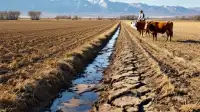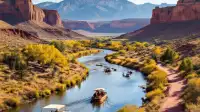
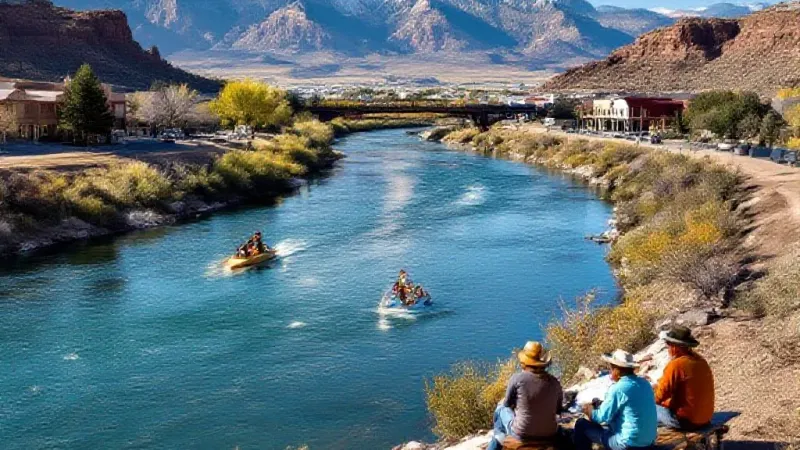
Arizona is preparing to draw banked Colorado River water from underground storage, a significant development in the ongoing management of the vital river system. Terry Goddard, President of the Central Arizona Water Conservation District (CAWCD) Board of Directors, discussed this strategy, which sees Arizona tapping into reserves it has accumulated over decades. For residents of Grand Junction and Mesa County, the Colorado River is a lifeline, and actions by any basin state, particularly a lower basin state like Arizona, resonate locally. Arizona has been a diligent steward of its share, storing Colorado River water for more than 40 years in subterranean facilities. To oversee this substantial effort, the state established the Arizona Water Banking Authority over 30 years ago, specifically tasked with managing the strategic storage and future utilization of its Colorado River allocations. This long-term planning by Arizona underscores the increasing pressure on the river and the importance of every drop, a reality keenly felt across the entire Colorado River Basin, including here in Grand Valley. The eventual drawing of these banked supplies highlights the river's overall health and the complex interdependencies among all water users from its headwaters to its mouth.
Meanwhile, national parks in Arizona are facing substantial financial hurdles, with the U.S. Department of the Interior blocking over $20 million in previously approved congressional funding. Matthew Nelson, Executive Director of the Arizona Trails Association, expressed concern about the implications of these budget cuts. This funding reduction will specifically impact key areas such as the Organ Pipe Cactus National Monument and the Lake Mead National Recreation Area. While these parks are located far from Mesa County, the broader implications of federal funding decisions for public lands are a shared concern for Grand Junction’s robust outdoor community. Local residents, who regularly enjoy the Colorado National Monument, Grand Mesa, and other public spaces, understand that federal funding is crucial for maintaining infrastructure, staffing ranger services, and protecting natural resources. Such decisions by the Department of the Interior in one region can often signal a wider trend in how federal lands are managed and funded across the Western states, affecting everything from trail maintenance to wildlife management and visitor services, and impacting access and experiences for the public.
Finally, the city of Mesa, Arizona, is looking ahead to its Mesa Music Festival, scheduled to take place from October 15 to 17, 2026. Mesa City Councilmember for District 4, Jenn Duff, and musician Christopher Shayne, provided details on the event. The festival is designed to be a prime opportunity for attendees to discover and experience performances by rising artists. Beyond the live entertainment, the Mesa Music Festival is also structured to offer valuable educational workshops and networking opportunities specifically tailored for aspiring musicians. This initiative in Mesa provides a snapshot of how other communities in the American Southwest foster their local arts and culture scenes, much like Grand Junction supports its own vibrant array of local festivals and community events throughout the year.