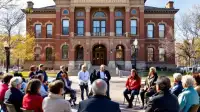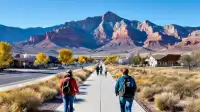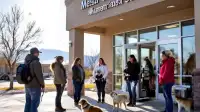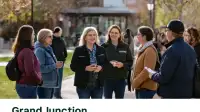
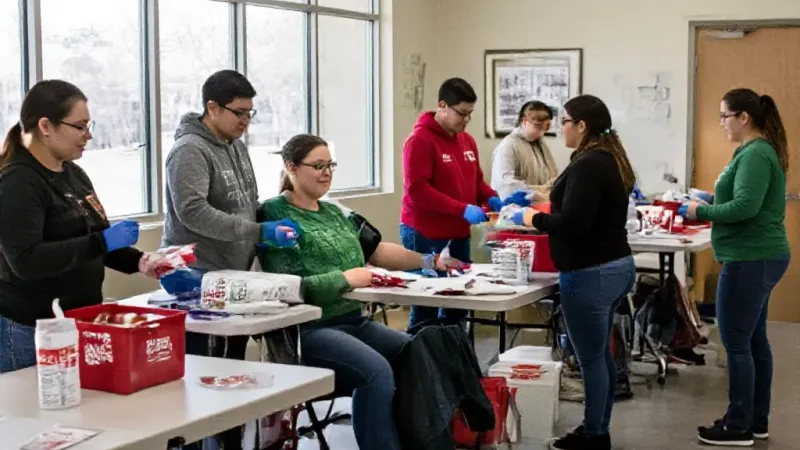
Western Slope residents rolled up their sleeves at Colorado Mesa University on October 1, contributing to the nation's blood supply in anticipation of upcoming winter weather. The proactive effort, organized by the American Red Cross, aimed to prevent potential shortages that can arise when snowstorms and hazardous travel conditions limit donor turnout and force the cancellation of crucial blood drives.
The American Red Cross is a vital component of the nation's healthcare infrastructure, supplying more than 40% of the blood needed across the country. The organization relies on hundreds of blood drives daily to meet a constant demand; according to the Red Cross, someone in the United States requires blood every two seconds for various medical reasons. This steady demand makes consistent donations critical, particularly as the Western Slope prepares for weather that can make giving blood more difficult.
Students and other community members who participated in the drive at CMU followed a standardized donation process designed by the Red Cross. First-time donors were asked to present identification, such as a donor card or driver’s license, and confirm they met minimum weight requirements. This was followed by a health questionnaire and a brief confidential screening and mini-physical to ensure donor eligibility.
During the actual donation of about a pint of blood, Red Cross staff provided guidance through applied muscle tension exercises. These techniques are recommended to help prevent fainting, ensuring a safer experience for donors. After the donation was complete, participants were encouraged to rest briefly and enjoy a snack before leaving the site.
Danuel Jones, a collection specialist with the American Red Cross, emphasized the personal significance of blood donation. Jones encouraged individuals to make giving blood a regular habit, reflecting on how important the cause was to him, particularly in connection to military service.
Christie Caster, executive director for the American Red Cross with Western Colorado, highlighted the substantial impact of each donation. Caster stated that a single pint of donated blood has the potential to help save up to three lives. For those considering donating for the first time, she offered reassurance. “Don't be scared,” Caster advised, noting that the Red Cross has an amazing team that will walk individuals through the process, making it easier than they might think.
To ensure a smooth donation experience, the Red Cross advises potential donors to stay well-hydrated and consume a protein-rich meal before giving blood. While this particular drive on the Western Slope has concluded, Red Cross blood drives are scheduled to return to the area in the spring. For those traveling outside the Western Slope, daily blood drives are also held in the Denver area.