
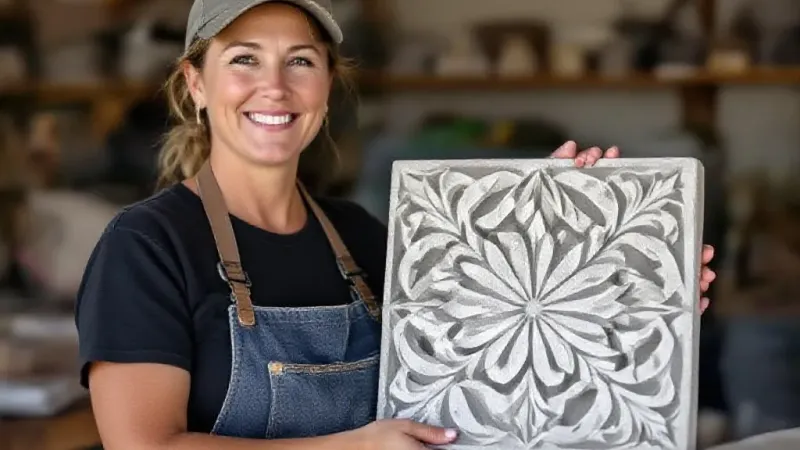
Grand Junction entrepreneur Jill Layton is turning non-recyclable plastic — from old toothbrushes and broken coat hangers to takeout lids and discarded toys — into durable decorative concrete pavers through her business, SURPStone. This local effort keeps plastic out of Western Slope waste streams, addressing a significant environmental challenge for Mesa County residents.
SURPStone, which stands for single-use repurposed plastic stone, began as a classroom project for Layton while she was a student at Colorado Mesa University. What started as an academic proposal evolved into a mission to tackle plastic waste across the region. "I am absolutely obsessed with plastic waste and the problem of plastic waste," Layton stated, explaining her drive to "make some kind of a dent in the problem."
The entire production cycle is a hands-on process. Layton sources plastic from local businesses, including downtown Grand Junction toy shop eBricks, which contributes broken, off-brand, and unsellable toys. Before any processing begins, Layton meticulously sorts through the collected plastic by hand to remove debris, rocks, and stray candy. The plastic then goes through a standard front-loading washing machine. This unusual step, according to Layton, is critical for the chemistry of the concrete, as any leftover sugar or oils could weaken the mixture and lead to cracked pavers.
Once the plastic is clean and dry, it is fed into an industrial shredder that Layton calls her “little monster.” This machine grinds the plastic into a fine, colorful aggregate, which then replaces traditional gravel or sand in the concrete mixture. Layton described the process: “When I’m ready to make a mix, I grease up all of my concrete forms and then just put it in the cement mixer, let it go, and then let that dry for about 24 hours.”
Each finished one-foot paver effectively keeps between three-quarters of a pound and a full pound of plastic from entering the local environment. Before these pavers are ready for market, they undergo a mandatory 28-day curing process and rigorous compression testing. Layton emphasized that maintaining high standards is essential for consumer confidence, especially since plastic-aggregate concrete is a relatively new concept for residential use in the United States. "If we don’t do it well, then people won’t have any faith in it whatsoever," Layton said.
Layton operates SURPStone as a one-woman enterprise, managing all aspects of the business herself, from sourcing materials and mechanical repairs to quality control, marketing, and accounting. Looking forward, SURPStone plans to expand its product offerings by incorporating shredded recycled carpet and developing pre-bagged concrete mixes for wider distribution throughout Colorado. Community members interested in using these recycled pavers for their gardens or landscaping can find them at several local retailers across the Western Slope.