
Hunting and fishing trips bring significant economic activity to Mesa County, with visitors and residents spending money that extends far beyond direct guides and gear shops. A September study from the Common Sense Institute estimated that hunting and fishing generate over $2.4 billion in direct annual business revenue across Colorado. This statewide figure suggests a broad impact on local economies like Mesa County's. The institute further estimated these activities support nearly 15,000 direct jobs statewide, with broader economic effects pushing business revenue past $6.1 billion and job support beyond 25,000.
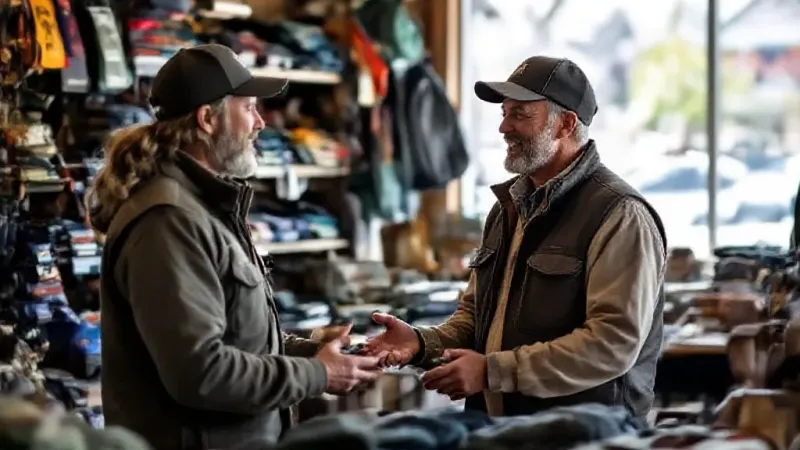
In the town of Mesa, Jason McMillan, owner of GuideWest Outfitters, sees this economic activity firsthand. McMillan, who took over the business in 2022 after 17 years as its head guide, notes that his clients travel from across Colorado and states like Wisconsin, Pennsylvania, Texas, upstate New York, and other Southern states, often seeking elk hunting opportunities. McMillan’s business employs between two and seven local guides during the hunting season and leases hunting ground. He emphasizes that visitors spend money in nearby communities, even when the hunt itself is in more remote areas. "We’re definitely bringing money in the community between the leases and the local little restaurants and gas stations," McMillan said. After a successful hunt, clients continue to spend, with McMillan's business utilizing meat processors in Grand Junction and taxidermists in the wider region. Some clients develop a lasting connection to the area, with some buying land or considering moving to the region, according to McMillan. His operations cover areas around the town of Mesa, near Powderhorn Mountain Resort, and in Game Management Unit 40, west of Grand Junction near the Colorado National Monument. Unit 40 is described as a sought-after draw area for elk and mule deer. Colorado residents also use his services, whether for a meat hunt or a specific trophy license.
Further illustrating the widespread economic benefit, Steve Grisier, co-owner of Mesa Bloom Market, observes another side of these trips. Located on Colorado Highway 65 in the town of Mesa, the market opened in late May 2020 and sells essentials, local products, fishing supplies, and live bait. During warmer months, Grisier serves dedicated anglers and families heading outdoors. Many of his summer customers, he notes, are from Grand Junction. The market sells substantial amounts of live bait, and customers frequently inquire about local fishing spots, including the lakes atop Grand Mesa. Winter brings ice fishing enthusiasts, many also from Grand Junction and the surrounding area, Grisier confirmed. For Grisier, fishing is part of a seasonal pattern that keeps visitors moving through Mesa. Summer is busy, and the fall colors, overlapping with hunting season, often create some of the store's busiest weekends. While business slows during muddy periods, winter recreation then picks up. Hunters, often prepared for multi-day trips, stop for snacks, food, or steaks for camp meals, and successful hunters buy ice to cool their game. Grisier also sees hunters purchase jewelry or locally made keepsakes when leaving town. He recognizes returning visitors and guides who bring clients through the store year after year.
Grand Mesa itself is a significant draw, offering open-water fishing during warmer months and ice fishing in winter across its numerous lakes and reservoirs, approximately one-third of which can sustain trout, according to the U.S. Forest Service. It also provides hunting opportunities for elk, mule deer, moose, turkey, mountain lion, and bear. Lodges like Grand Mesa Lodge by Island Lake and Mesa Lakes Lodge offer cabins for overnight stays. Beyond the town of Mesa, Grand Junction businesses such as Western Anglers Fly Shop, Sportsman’s Warehouse, and Bass Pro Shops benefit from hunters and anglers purchasing gear. The city's 2026 budget information indicates that two percentage points of its 3.39 percent sales tax, excluding grocery food, contribute to the general fund.
While a specific study on Mesa County's hunting and fishing economic impact is not available, a Colorado Mesa University study from 2022, using 2019 data, estimated that all outdoor recreation contributed $321.6 million directly to Mesa County’s gross domestic product and supported 7,620 direct jobs. The 2026 Western Slope Agriculture Report, a joint effort by CMU and the Grand Junction Business Incubator Center, also found that some agricultural producers earn income through big-game hunting and outfitting, with McMillan's land leases serving as an example of this economic connection. The spending from hunters and anglers on lodging, meals, fuel, and equipment thus spreads across a wide array of businesses, many of which may not initially appear connected to outdoor recreation.