
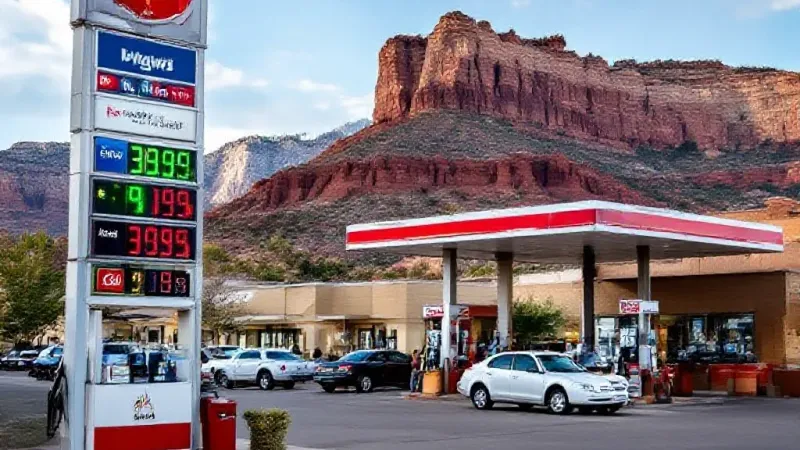
U.S. inflation accelerated last month, with the Consumer Price Index climbing to 3.7% in September compared to a year ago, up from 3.4% in August. This increase reflects that rising prices continue to be an economic challenge for residents of Grand Junction and Mesa County, affecting daily costs for families, commuters, and businesses.
Monthly, costs jumped 0.6% from August to September, marking the biggest gain in five months and an increase from the 0.4% rise seen the previous month, according to the Labor Department. This acceleration in prices comes just weeks before upcoming elections that have heavily focused on affordability.
Higher prices are eroding Americans’ earnings. The Labor Department reported Wednesday that average weekly paychecks, when adjusted for inflation, shrank last month compared with a year ago. This marks the first such decline since May.
Several factors are contributing to the increase. The lingering impact of the Iran war has influenced gas prices, and the ongoing Russia-Ukraine conflicts have sharply inflated the cost of diesel fuel, which is used by long-haul trucks. Higher diesel prices are expected to increase shipping expenses, potentially pushing up prices for a range of goods that reach local shelves.
Gas prices alone jumped 9.1% from August to September, as reported by the government’s consumer price index. Beyond fuel, airfares rose 1.2% last month and have soared 22% compared with a year ago. Hotel prices also increased by 2% from August to September, and are up 4.4% compared to a year earlier.
Price increases were spread broadly across the economy. The cost of toys, new and used cars, sporting goods, and shoes all rose at a rapid clip last month. However, consumers saw some relief in grocery prices, which declined 0.1% last month, though they are still up 1.8% from a year ago. Ground beef prices specifically fell 0.8% in September, but remain 5.4% higher than last year.
The rise in prices is not solely linked to oil and gas. Surging investment in data centers and artificial intelligence has also pushed up prices for computer chips and the consumer electronics that use them. These costs are passed on to consumers, making items like gaming devices, laptops, and smartphones more expensive. Goldman Sachs estimated in a report that the AI buildout has added about a half-percentage point to the annual inflation rate.
Excluding the volatile food and energy categories, core prices rose 2.6% in September from a year ago, up from 2.4% the previous month and higher than economists had expected. These core prices climbed 0.3% from August to September, an elevated pace that, if it continued for a year, would run well above the Federal Reserve’s 2% target.
Economists have voiced concerns over the widespread increases. Bill Adams, chief U.S. economist at Fifth Third Bank, noted that the report “was worse than expected,” adding that consumer demand appears to be holding up better than some surveys suggest, which helps businesses maintain their pricing power.
Higher inflation will likely put more pressure on the Federal Reserve to lift its key interest rate at its next meeting on October 27-28. Federal Reserve officials are closely watching inflation data to determine whether and by how much they need to raise their short-term interest rate further. Fed Chairman Kevin Warsh stated last month that inflation isn’t moving quickly enough back to the central bank’s target, prompting the Fed to hike rates for the first time in three years to about 3.9%. However, some key Fed officials have suggested the central bank can wait before increasing rates again, having penciled in only one more rate hike this year. Following Wednesday’s report, many Wall Street investors now project the Fed will act in two weeks. Stock prices fell slightly after the report, while greater expectations for rate hikes pushed up bond yields.
By raising borrowing costs, the Fed aims to slow spending and growth, thereby cooling price increases. However, much of the current inflation stems from supply shocks, such as the Iran war’s disruption to oil and gas supplies, which higher interest rates cannot directly address. Warsh has stated his goal is to keep the gas price spike from seeping into more areas of the economy.
These higher costs raise shipping and other expenses for many businesses, both large and small, some of which are forced to pass the cost to consumers. For example, PepsiCo recently announced it would raise prices for its snack foods, including Doritos, Ruffles, and Sun Chips, as well as some sodas, to offset higher costs for fuel, aluminum, and food ingredients.
On a positive note for some local residents, the government also announced Wednesday that Social Security recipients will receive a 3.6% cost-of-living increase, based on these inflation figures.